|
1
|
|
|
2
|
|
|
3
|
- The U.S. lacks the language resources (in languages other than English)
to meet its various goals, and many members of our society do not
experience the benefits that proficiency in multiple languages and
cultures can bring.
- Students enter U.S. schools with native-like proficiency in a language
other than English (their heritage language) and are not encouraged to
develop high levels of proficiency in their native language while also
mastering English.
|
|
4
|
- A well-marked route: clear and accessible paths to language proficiency
- Few bumps in the road: cumulative language learning that is supported
for long sequences
- Aligned policies from all sources that affect language learning to work
toward common goals
|
|
5
|
- Start to teach additional languages early
- Offer more immersion and other intensive approaches throughout an
individual’s education
- Build on heritage language skills that exist through clear pathways for
speakers of heritage languages that foster maintenance and development
of their skills
- Use technology to improve the effectiveness of language learning
opportunities and provide access to new ones
- Construct appropriate and effective assessments that will inform
instruction and help learners understand their strengths and areas
needing improvement
|
|
6
|
- Long sequences of language learning require bridging the gaps between
levels and groups in education:
- Schools in a feeder pattern
- Secondary schools and universities
- Schools and communities (especially important for heritage language
communities)
|
|
7
|
- www.cal.org/twi
- Directory of TWI Programs
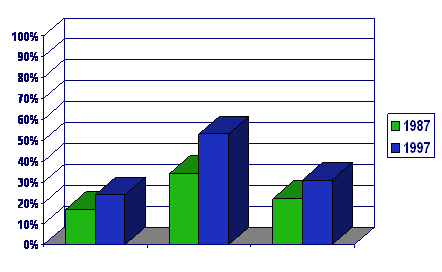
- 1987: 30 programs
- 2005: 315 programs-- Spanish (296), French (7), Cantonese(4), Korean
(4), Navajo (2), Japanese (1), Mandarin (1)
|
|
8
|
- Achievement of our language goals requires support from education and
language policies at all levels (federal, state, local) to foster the
ongoing development of second language and heritage language proficiency
in all ways possible.
- Legislation
- Regulations
- Appropriations
|
|
9
|
- Encourage high quality, well-articulated K-12 school-based programs that
teach heritage languages for native speakers and second languages for
all students
- Include proficiency in languages other than English among core areas of
achievement that will be measured and accounted for, both locally and in
national assessments such as NAEP
|
|
10
|
- Give credit and provide incentives for individual English language
learners who achieve high levels of proficiency in their native language
as well as English
- Give credit and provide incentives for English speakers who learn other
languages
- Require effective articulation between community-based programs and
schools, and partnerships where possible
|
|
11
|
- Include in standards for teacher preparation for all teachers the
understanding of language learning, awareness of the value of language
proficiency, and knowledge of ways to support heritage language
development
- Establish rigorous standards for language teacher preparation to
increase the availability of effective teachers in a wide variety of
languages
|
|
12
|
- Multiple entry, multiple exit
- Paths to basic levels of language proficiency in languages other than
English (expanding what has been called “the pool”) for as many students
as possible
- PLUS
- Strong, coherent paths to high levels of language proficiency for
individuals who seek to pursue that goal, with all the incentives and
resources we can muster
|
|
13
|
|
|
14
|
|
|
15
|
|
|
16
|
|
|
17
|
|
|
18
|
|
|
19
|
|
|
20
|
|
|
21
|
|
|
22
|
- K-12 Arabic Instruction
- in the U.S.
- Dora Johnson
- Center for Applied Linguistics
|
|
23
|
|
|
24
|
|
|
25
|
|
|
26
|
|
|
27
|
|
|
28
|
|
|
29
|
|
|
30
|
|
|
31
|
|
|
32
|
|

 Notes
Notes